
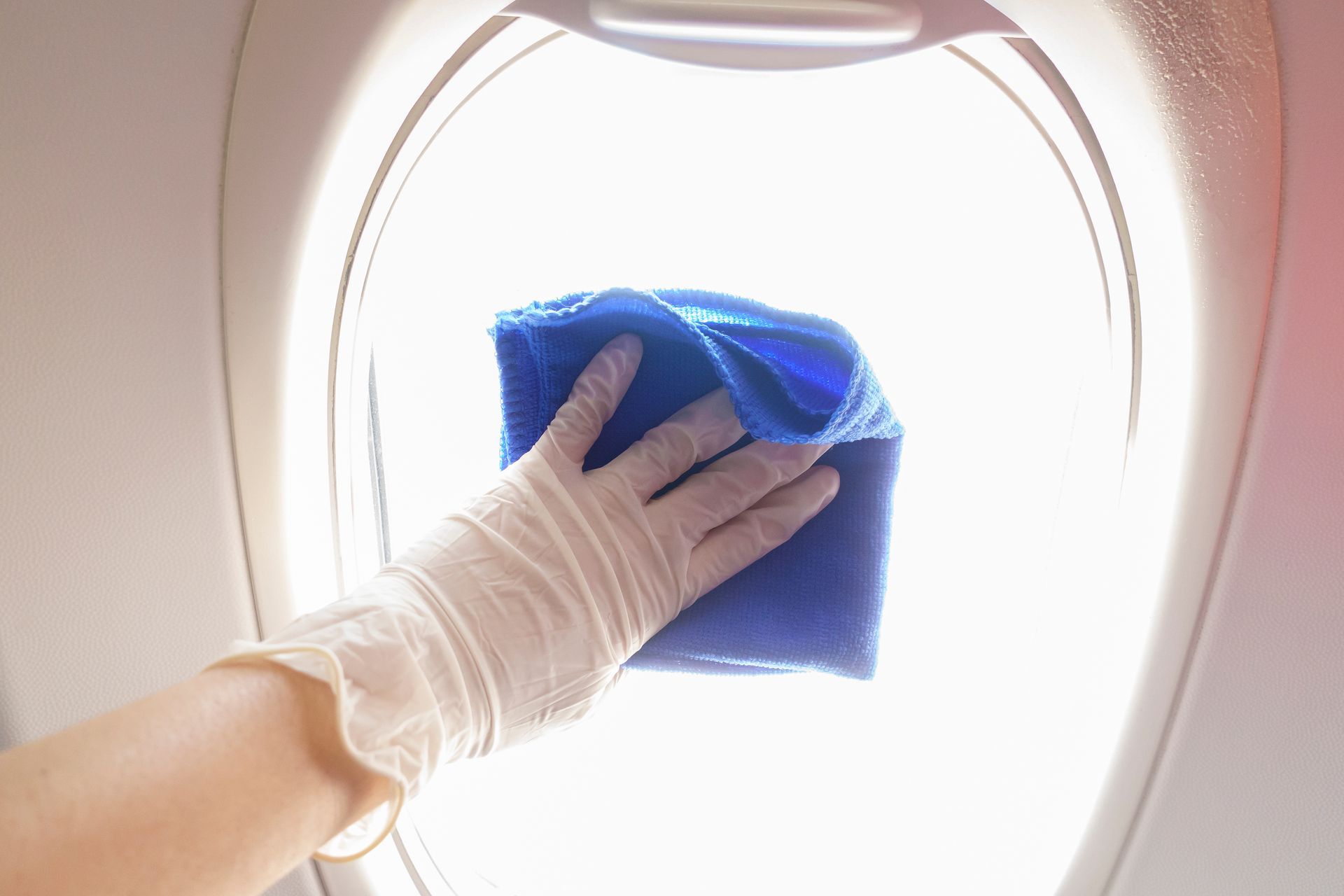
Learn how professional interior aircraft detailing in Atlanta, GA, ensures hygienic flights. Read SparrowHawk Mobile Detailing’s blog and get started today!
Aircraft detailing costs can vary depending on several factors, including aircraft size, service level, and overall condition. Factors That Affect Pricing The cost of aircraft detailing is typically influenced by: aircraft size (piston aircraft vs private jet) interior cleaning requirements exterior oxidation levels brightwork polishing needs Larger aircraft naturally require more time and materials to detail. Typical Aircraft Detailing Services Professional aircraft detailing may include: full exterior wash paint decontamination interior cabin detailing leather conditioning window and windshield cleaning Some aircraft owners also choose protective coatings to extend the life of their aircraft’s paint. Getting a Quote Because each aircraft is unique, most detailing companies provide customized quotes based on the aircraft type and service requirements. Mobile aircraft detailing services like those offered by SparrowHawk Mobile Detailing Atlanta provide convenient on-site service at hangars and airports throughout the Atlanta area.
Ultraviolet (UV) radiation from the sun can cause serious damage to aircraft paint over time. Aircraft that spend long periods outdoors are especially vulnerable to this type of deterioration. Signs of UV Damage UV damage often appears as: fading paint dull surfaces oxidation discoloration Over time, UV exposure can weaken protective coatings and allow contaminants to penetrate deeper into the paint. Why Aircraft Are Vulnerable Aircraft operate at high altitudes where UV radiation is stronger than at ground level. This exposure accelerates paint deterioration compared to vehicles that remain on the ground. How Detailing Helps Prevent UV Damage Professional aircraft detailing can help reduce UV damage by applying protective coatings that shield paint from sunlight. These coatings help: preserve paint color reduce oxidation improve surface durability Regular detailing helps maintain the appearance and protection of aircraft surfaces.
Many aircraft owners assume washing and detailing are the same thing, but they are actually very different services. Understanding the difference can help aircraft owners choose the right level of care for their aircraft. Aircraft Washing Aircraft washing focuses primarily on removing dirt and debris from exterior surfaces. A basic aircraft wash typically includes: rinsing the fuselage removing bugs and contaminants cleaning wings and tail surfaces While washing helps improve appearance, it does not address deeper surface protection or restoration. Aircraft Detailing Aircraft detailing goes far beyond a basic wash. Professional detailing may include: paint decontamination brightwork polishing protective coatings interior deep cleaning leather conditioning Detailing helps restore surfaces while protecting them from future damage. When to Choose Detailing Aircraft detailing is recommended when: surfaces show oxidation paint appears dull or faded interior materials need restoration the aircraft is being prepared for sale or charter use Many aircraft owners alternate between routine washing and periodic full detailing.
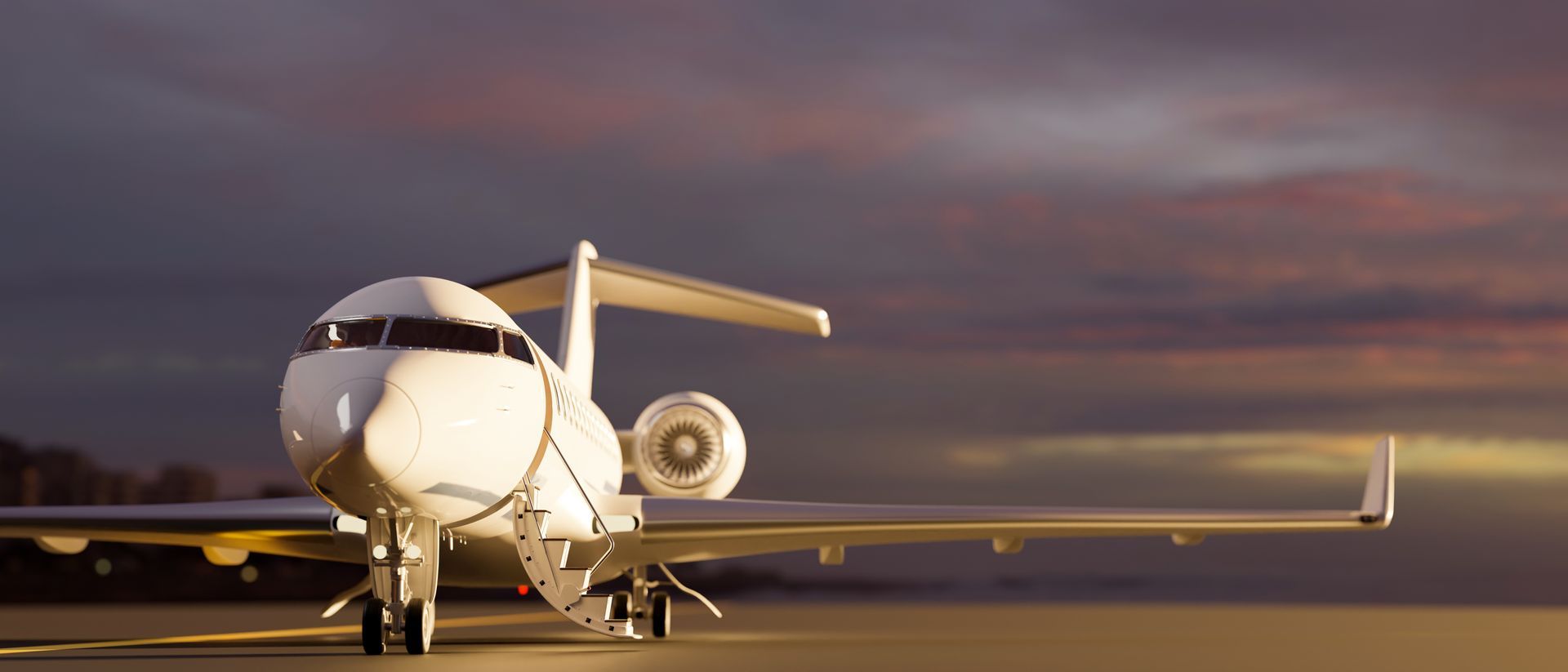
Private jet owners invest heavily in maintaining their aircraft, but one question that often arises is how frequently a private jet should be professionally detailed. While routine maintenance focuses on mechanical performance, detailing focuses on protecting surfaces, preserving value, and maintaining a professional appearance. Exterior Detailing Schedule For most private jets, exterior detailing should be performed every 2–3 months . However, this timeline can vary depending on: Flight frequency Storage conditions (hangar vs outdoor) Environmental exposure Airport debris and contaminants Jets that fly frequently or remain outdoors may benefit from monthly exterior cleaning. Exterior detailing removes contaminants such as: bug residue fuel stains runway debris industrial fallout Removing these materials prevents oxidation and paint deterioration. Interior Detailing Schedule Interior cleaning is typically recommended every 1–2 months , especially for aircraft that regularly transport passengers. Interior detailing includes: leather seat cleaning and conditioning carpet and upholstery cleaning sanitation of surfaces odor removal Keeping the cabin clean improves passenger comfort and maintains a luxury experience. Why Consistent Detailing Matters Routine detailing protects aircraft paint, reduces corrosion risk, and helps maintain resale value. Many aircraft owners schedule detailing on a regular maintenance cycle to keep their aircraft in top condition. Professional services like those provided by SparrowHawk Mobile Detailing Atlanta make it easy to maintain your aircraft with convenient mobile service.
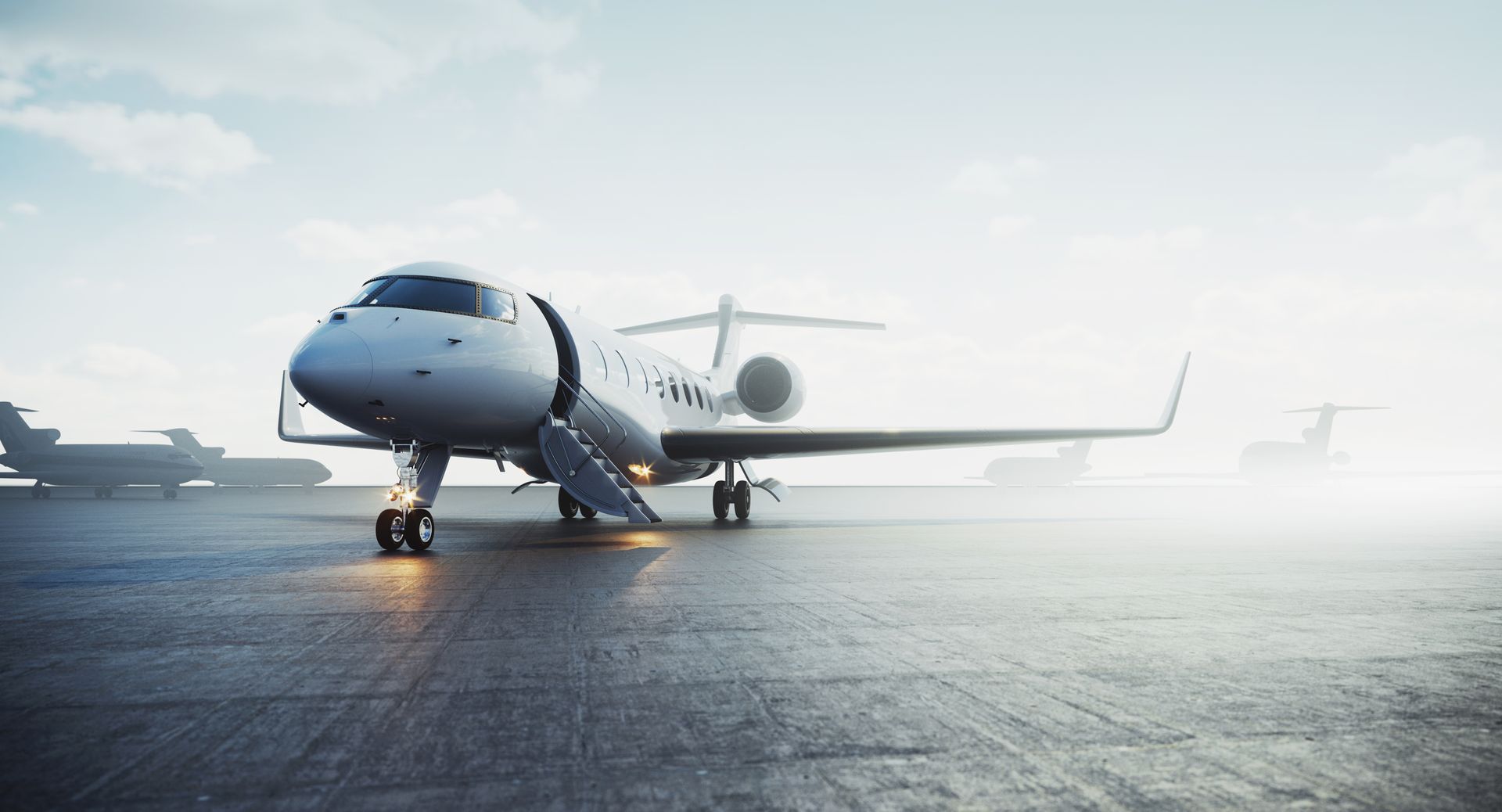
Aircraft ownership and operation come with significant responsibilities, from routine maintenance to ensuring a safe and comfortable experience for passengers and crew. One often overlooked but highly valuable aspect of aircraft care is professional detailing. Regular aircraft detailing not only keeps an aircraft looking its best but also plays an important role in protecting surfaces, preserving value, and maintaining overall performance. For aircraft owners and operators in the Atlanta area, professional services from SparrowHawk Mobile Detailing Atlanta can help ensure your aircraft remains in top condition both inside and out. 1. Protects the Aircraft’s Exterior Surfaces Aircraft are constantly exposed to harsh environmental conditions. High-altitude UV exposure, moisture, runway debris, and airborne contaminants can gradually damage paint, aluminum, and composite surfaces. Professional aircraft detailing helps protect these surfaces by: Removing corrosive contaminants such as fuel residue and bug splatter Preventing oxidation and fading of paint Applying protective sealants that shield surfaces from UV damage Routine detailing helps extend the life of your aircraft’s exterior finish while maintaining a polished, professional appearance. 2. Prevents Long-Term Corrosion and Oxidation Corrosion is one of the biggest threats to aircraft surfaces, especially on aluminum components. When contaminants such as moisture, salt, and pollutants remain on the aircraft for long periods, they can slowly break down protective coatings. Professional detailing helps reduce this risk by thoroughly cleaning and protecting the aircraft’s exterior surfaces. Regular washing and protective treatments can help prevent oxidation and corrosion from forming over time. By maintaining a consistent detailing schedule, aircraft owners can avoid more costly restoration work later. 3. Improves Visibility and Pilot Safety Clear visibility is essential for safe flight operations. Aircraft windshields, windows, and instrument panels must remain clean and free from residue or streaks. Professional aircraft detailing includes specialized cleaning techniques designed for aviation glass and plastic surfaces. These methods help remove contaminants without causing scratches or damage. Benefits include: Improved pilot visibility Clearer cockpit instrumentation Safer pre-flight inspections Keeping these surfaces clean contributes to a safer flying experience for both pilots and passengers. 4. Enhances Passenger Comfort and Experience The interior of an aircraft plays a major role in passenger perception and comfort. Whether transporting clients, executives, or private guests, a clean cabin creates a positive impression. Interior aircraft detailing services typically include: Leather seat cleaning and conditioning Carpet and upholstery cleaning Sanitizing interior surfaces Removing odors from the cabin A professionally detailed interior helps create a more comfortable and welcoming environment for passengers and crew. 5. Preserves Aircraft Value Aircraft represent a significant financial investment. Just like automobiles, the appearance and condition of an aircraft can influence its resale value. Regular detailing helps maintain the aircraft’s cosmetic condition by: Protecting paint and exterior finishes Preventing deterioration of interior materials Preserving polished metal components For owners planning to sell or lease their aircraft in the future, consistent detailing can help protect its long-term market value. 6. Makes Aircraft Inspections Easier Clean aircraft surfaces make inspections more effective. When dirt, grime, and residue build up on an aircraft, it can hide small defects, scratches, or areas of wear. Regular aircraft detailing removes contaminants that may obscure these issues, making it easier for maintenance teams and pilots to detect potential problems during inspections. A clean aircraft surface can help improve the accuracy and efficiency of routine maintenance checks. 7. Improves Overall Aircraft Appearance Appearance matters in aviation, especially for private aircraft owners, corporate aviation departments, and charter companies. A clean and polished aircraft reflects professionalism and attention to detail. Brightwork polishing, paint restoration, and thorough cleaning can dramatically improve an aircraft’s visual appeal. For businesses that transport clients or executives, a spotless aircraft helps reinforce a strong professional image. 8. Reduces the Need for Costly Restoration When aircraft surfaces are neglected for extended periods, contaminants can cause oxidation, staining, and deterioration. Restoring these surfaces later may require intensive polishing or repainting. Routine aircraft detailing helps prevent this type of damage by addressing contaminants before they cause permanent issues. Preventive care through detailing can help reduce long-term maintenance costs while preserving the aircraft’s original finish. 9. Supports Corporate Branding and Presentation For charter companies and corporate aviation fleets, aircraft appearance is closely tied to brand reputation. Clients expect aircraft to be clean, well-maintained, and visually impressive. Professional detailing helps ensure that aircraft consistently meet these expectations. A clean aircraft communicates: professionalism attention to detail commitment to quality service These factors can influence how passengers perceive the entire aviation operation. 10. Convenient Mobile Aircraft Detailing One of the biggest advantages of modern detailing services is mobile convenience. Instead of relocating your aircraft for cleaning, professional technicians can travel directly to your hangar or airport location. Companies such as SparrowHawk Mobile Detailing Atlanta provide mobile aircraft detailing services throughout the Atlanta area, making it easy for aircraft owners to maintain their aircraft without interrupting flight schedules. Mobile detailing allows aircraft to be cleaned and restored efficiently while remaining at their current location. How Often Should Aircraft Be Detailed? The ideal detailing schedule depends on several factors, including aircraft usage, storage conditions, and environmental exposure. In general: Exterior detailing: every 2–3 months Interior detailing: every 1–3 months depending on usage Brightwork polishing: as needed to maintain shine and prevent oxidation Aircraft stored outdoors or flown frequently may require more frequent detailing to maintain optimal condition. Summary Aircraft detailing provides much more than just cosmetic improvements. It plays a vital role in protecting surfaces, preserving aircraft value, improving passenger experience, and supporting safe flight operations. By investing in regular detailing, aircraft owners and operators can ensure their aircraft remains clean, protected, and visually impressive for years to come. For professional aircraft detailing services in the Atlanta area, the team at SparrowHawk Mobile Detailing Atlanta offers specialized mobile services designed specifically for aviation surfaces and materials.