
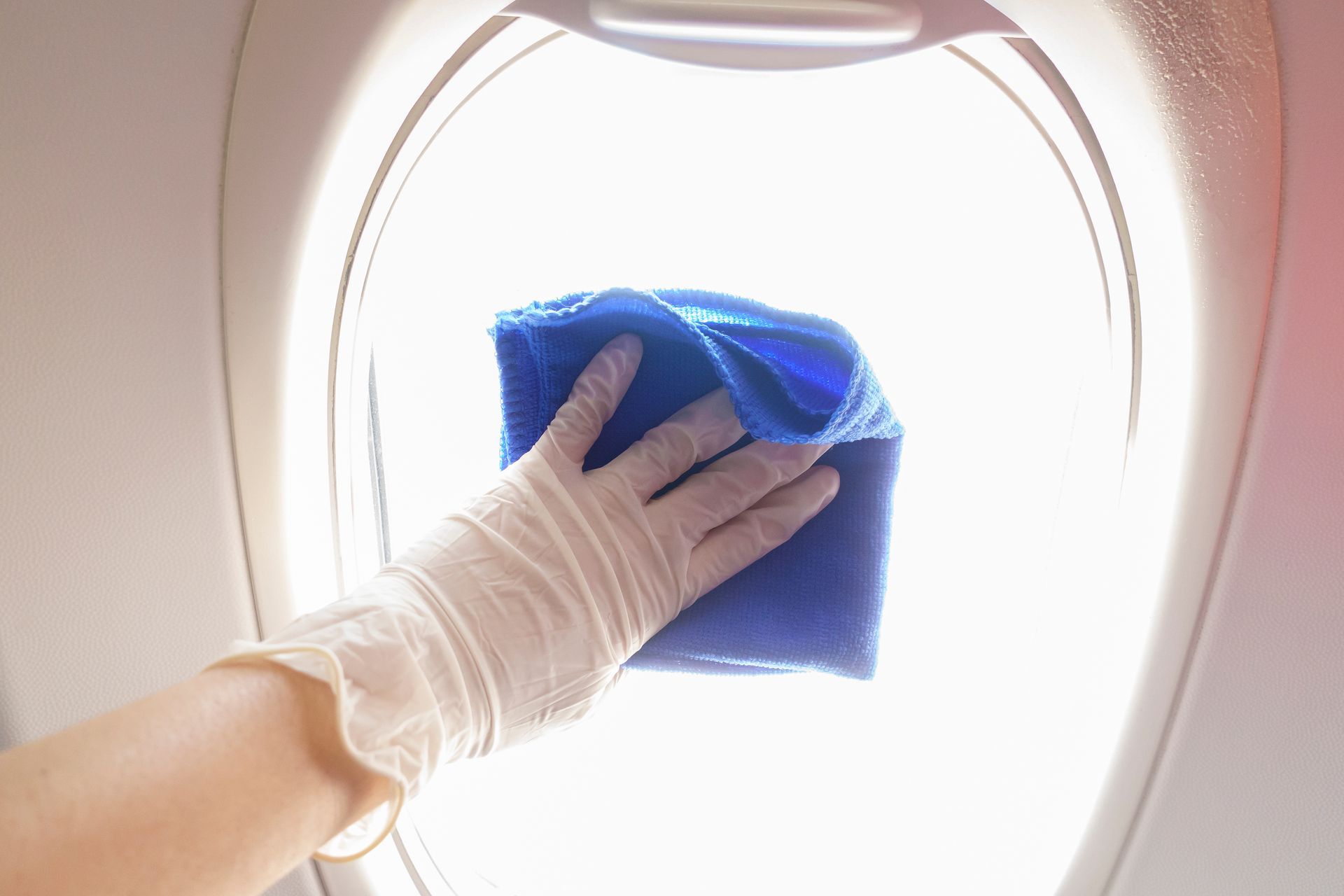
Learn how professional interior aircraft detailing in Atlanta, GA, ensures hygienic flights. Read SparrowHawk Mobile Detailing’s blog and get started today!
Aircraft detailing costs can vary depending on several factors, including aircraft size, service level, and overall condition. Factors That Affect Pricing The cost of aircraft detailing is typically influenced by: aircraft size (piston aircraft vs private jet) interior cleaning requirements exterior oxidation levels brightwork polishing needs Larger aircraft naturally require more time and materials to detail. Typical Aircraft Detailing Services Professional aircraft detailing may include: full exterior wash paint decontamination interior cabin detailing leather conditioning window and windshield cleaning Some aircraft owners also choose protective coatings to extend the life of their aircraft’s paint. Getting a Quote Because each aircraft is unique, most detailing companies provide customized quotes based on the aircraft type and service requirements. Mobile aircraft detailing services like those offered by SparrowHawk Mobile Detailing Atlanta provide convenient on-site service at hangars and airports throughout the Atlanta area.
Ultraviolet (UV) radiation from the sun can cause serious damage to aircraft paint over time. Aircraft that spend long periods outdoors are especially vulnerable to this type of deterioration. Signs of UV Damage UV damage often appears as: fading paint dull surfaces oxidation discoloration Over time, UV exposure can weaken protective coatings and allow contaminants to penetrate deeper into the paint. Why Aircraft Are Vulnerable Aircraft operate at high altitudes where UV radiation is stronger than at ground level. This exposure accelerates paint deterioration compared to vehicles that remain on the ground. How Detailing Helps Prevent UV Damage Professional aircraft detailing can help reduce UV damage by applying protective coatings that shield paint from sunlight. These coatings help: preserve paint color reduce oxidation improve surface durability Regular detailing helps maintain the appearance and protection of aircraft surfaces.
Many aircraft owners assume washing and detailing are the same thing, but they are actually very different services. Understanding the difference can help aircraft owners choose the right level of care for their aircraft. Aircraft Washing Aircraft washing focuses primarily on removing dirt and debris from exterior surfaces. A basic aircraft wash typically includes: rinsing the fuselage removing bugs and contaminants cleaning wings and tail surfaces While washing helps improve appearance, it does not address deeper surface protection or restoration. Aircraft Detailing Aircraft detailing goes far beyond a basic wash. Professional detailing may include: paint decontamination brightwork polishing protective coatings interior deep cleaning leather conditioning Detailing helps restore surfaces while protecting them from future damage. When to Choose Detailing Aircraft detailing is recommended when: surfaces show oxidation paint appears dull or faded interior materials need restoration the aircraft is being prepared for sale or charter use Many aircraft owners alternate between routine washing and periodic full detailing.
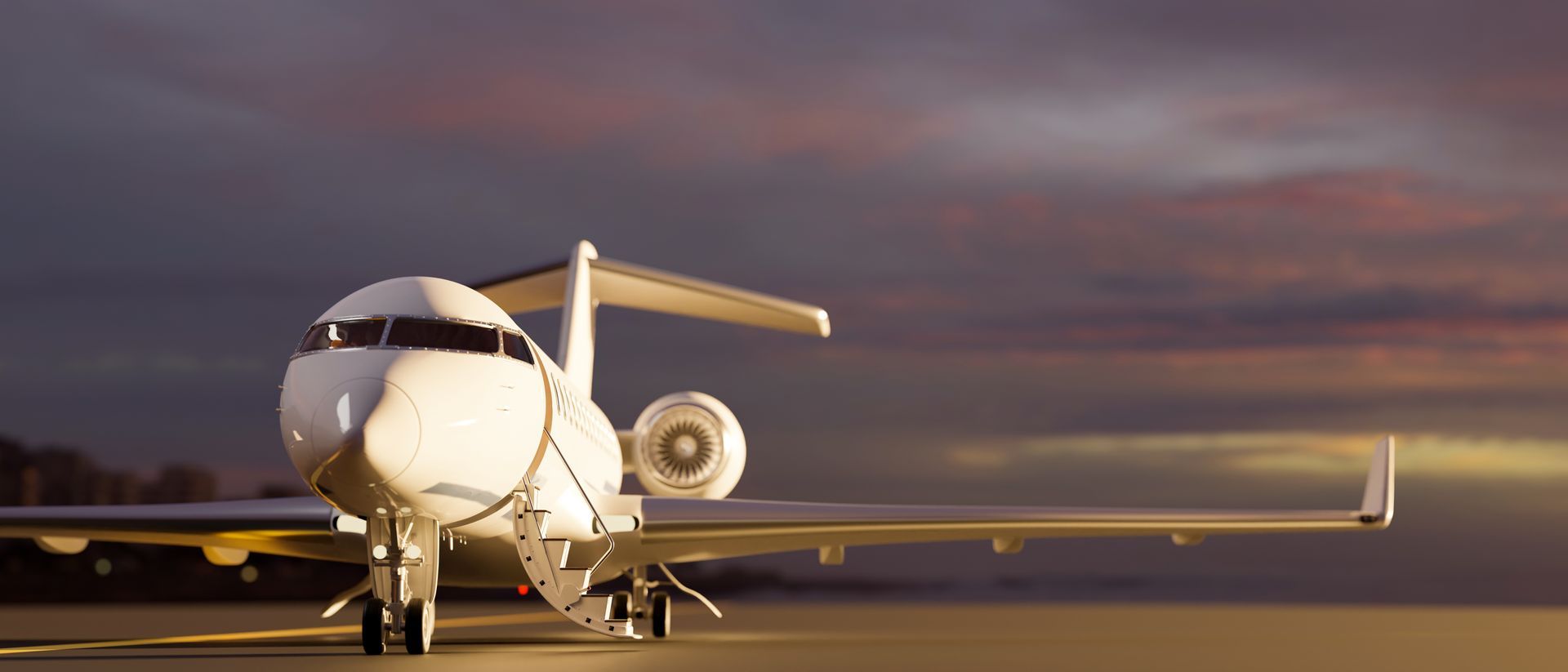
Private jet owners invest heavily in maintaining their aircraft, but one question that often arises is how frequently a private jet should be professionally detailed. While routine maintenance focuses on mechanical performance, detailing focuses on protecting surfaces, preserving value, and maintaining a professional appearance. Exterior Detailing Schedule For most private jets, exterior detailing should be performed every 2–3 months . However, this timeline can vary depending on: Flight frequency Storage conditions (hangar vs outdoor) Environmental exposure Airport debris and contaminants Jets that fly frequently or remain outdoors may benefit from monthly exterior cleaning. Exterior detailing removes contaminants such as: bug residue fuel stains runway debris industrial fallout Removing these materials prevents oxidation and paint deterioration. Interior Detailing Schedule Interior cleaning is typically recommended every 1–2 months , especially for aircraft that regularly transport passengers. Interior detailing includes: leather seat cleaning and conditioning carpet and upholstery cleaning sanitation of surfaces odor removal Keeping the cabin clean improves passenger comfort and maintains a luxury experience. Why Consistent Detailing Matters Routine detailing protects aircraft paint, reduces corrosion risk, and helps maintain resale value. Many aircraft owners schedule detailing on a regular maintenance cycle to keep their aircraft in top condition. Professional services like those provided by SparrowHawk Mobile Detailing Atlanta make it easy to maintain your aircraft with convenient mobile service.